Paju in a few words
Paju is a city of Gyeonggi province, north of Seoul, along the Imjin river and the Demilitarized Zone. It is at once a place of memory of the division of Korea, a city of books and artists, and a countryside of hills and lakes.
The visit to Omma Poom does not take a whole day. Here is what else the city has to show, to fill the day or to stay the night.
This page is not translated into your language yet: it is shown in English.
Paju is a city of Gyeonggi province, north of Seoul, along the Imjin river and the Demilitarized Zone. It is at once a place of memory of the division of Korea, a city of books and artists, and a countryside of hills and lakes.
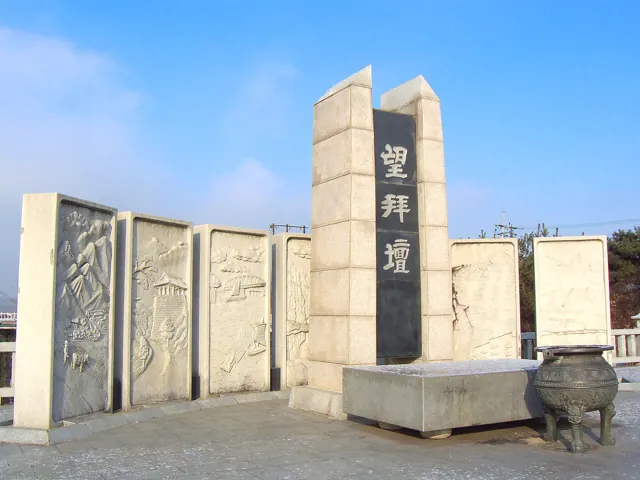
The last point before the border that can be reached freely: the Bridge of Freedom, memorials, and a wide lawn of pinwheels and sculptures.
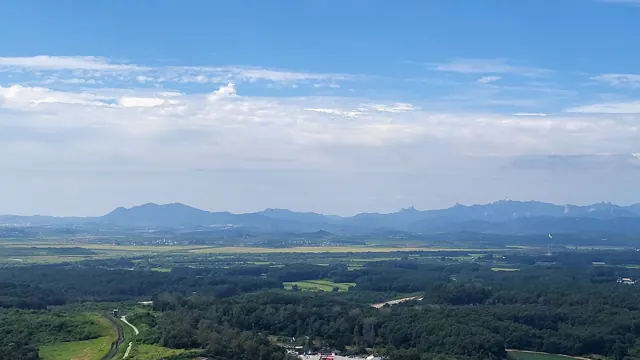
Reached by guided tour from Imjingak. A passport is required and places are limited: book or arrive early.
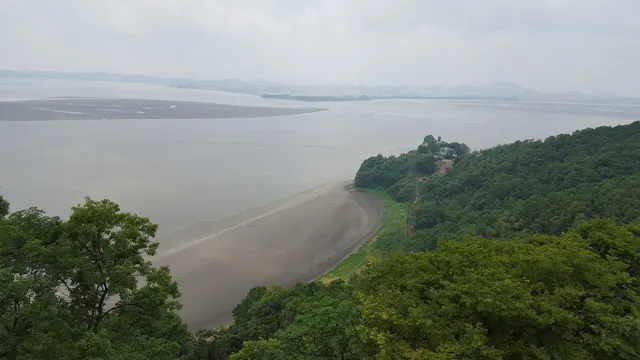
Where the Han and Imjin rivers meet, with a view over the north bank.
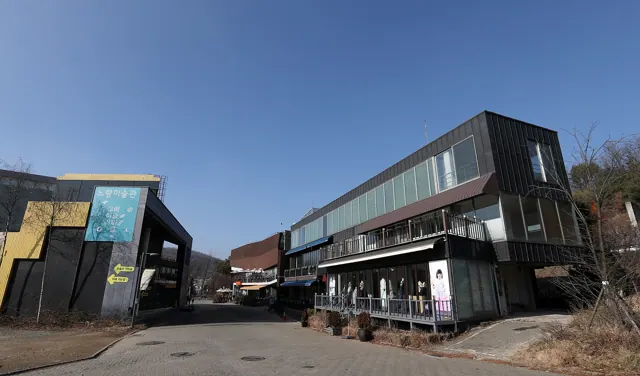
A village built by artists: galleries, small museums, bookshops and cafés in contemporary buildings.
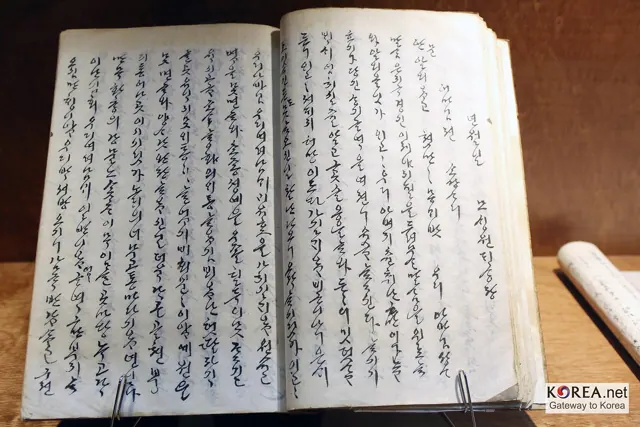
The district of Korean publishers, and the Forest of Wisdom, a vast library open to everyone.
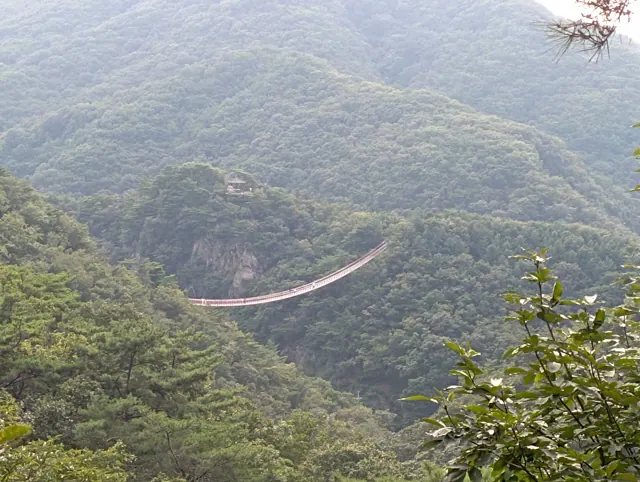
A long footbridge over a valley, at the start of the paths of Mount Gamaksan.
A footbridge over the lake and an easy path around it.
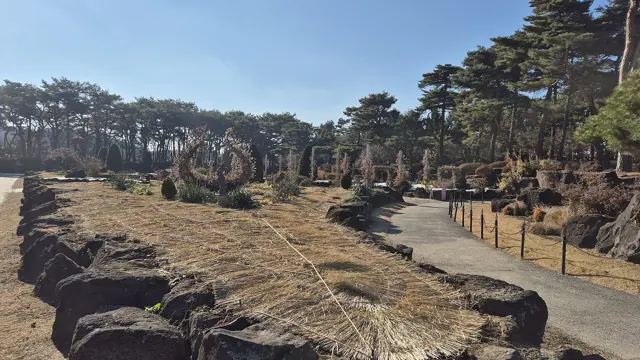
A botanical garden with ponds, flower beds and avenues, different in every season.
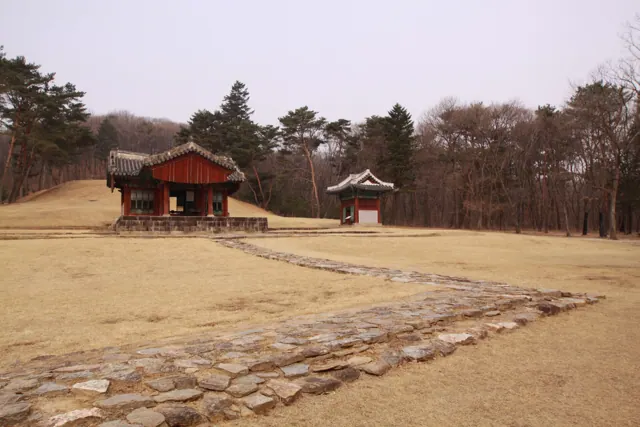
Three royal tombs of the Joseon dynasty, part of the UNESCO World Heritage listing, in a quiet forest.
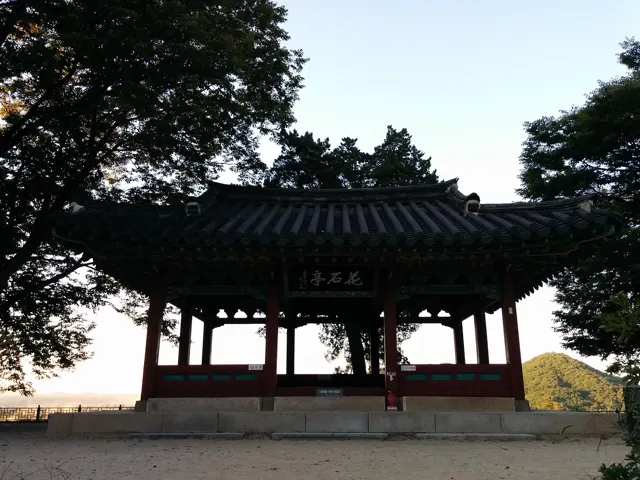
A pavilion above the Imjin river, linked to the scholar Yi I (Yulgok).
An old Buddhist temple in the hills.
A colourful village of shops, bakeries and restaurants.
A large outlet centre, for those who want to shop before going back to Seoul.
These places are spread over a large territory: a taxi or a car is needed between most of them. Choose one or two, not all.
Still to comeHow far each place is from the park, and the suggestions of the City of Paju.


